Wearable Sculptures
Wearable Sculptures
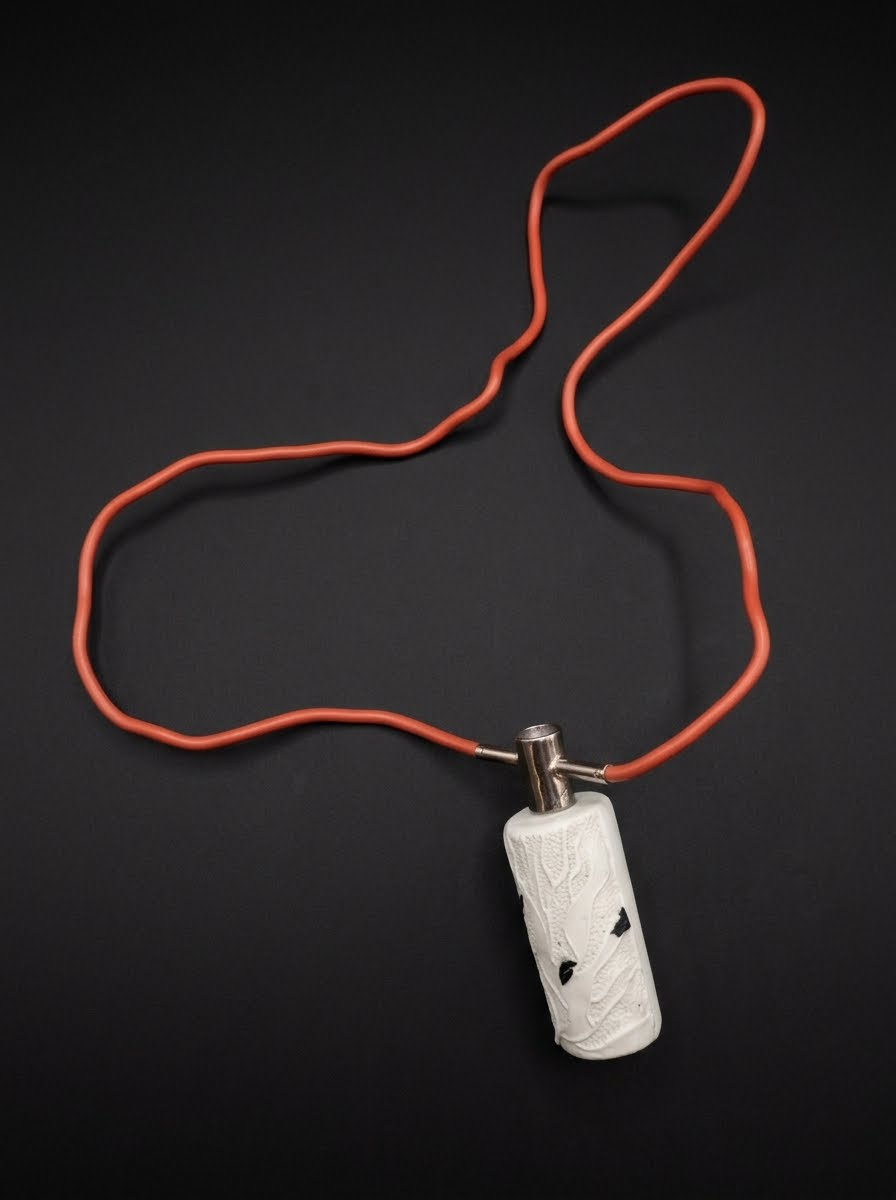
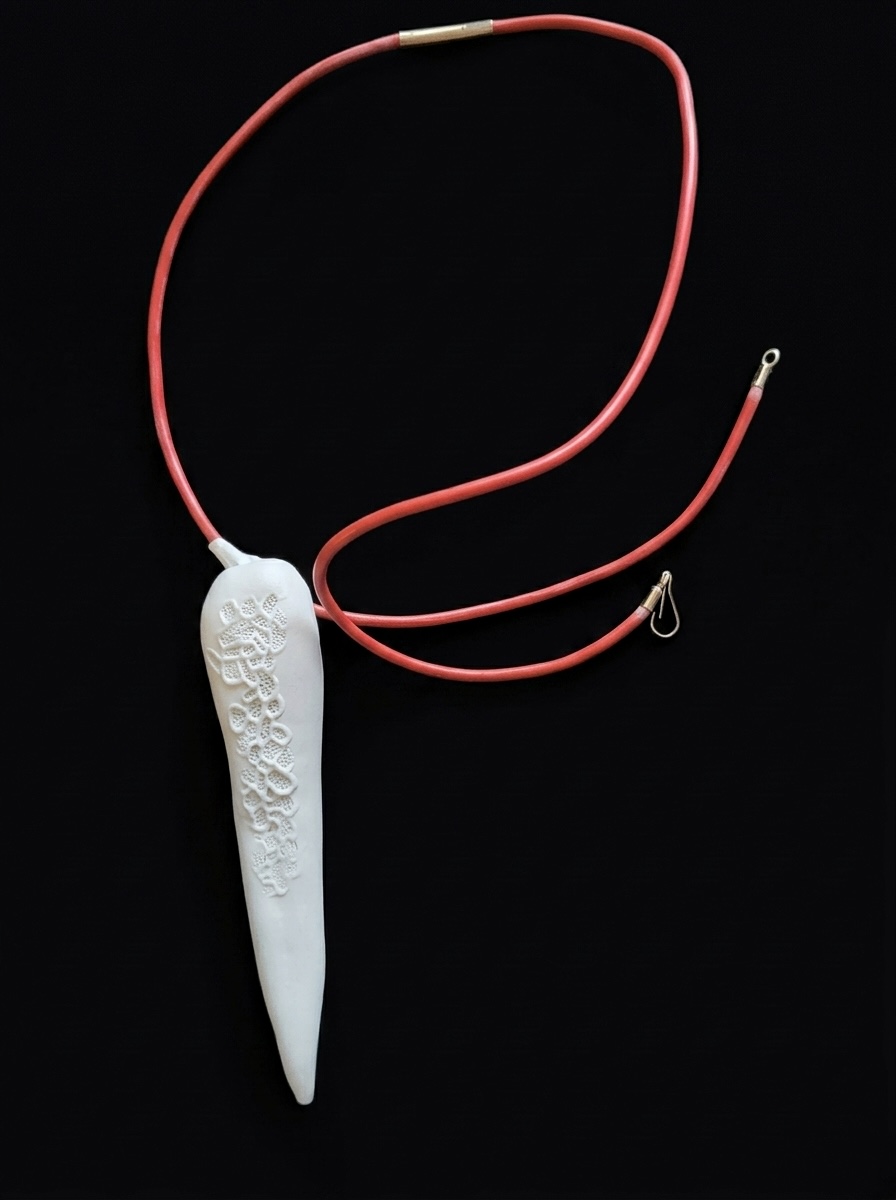
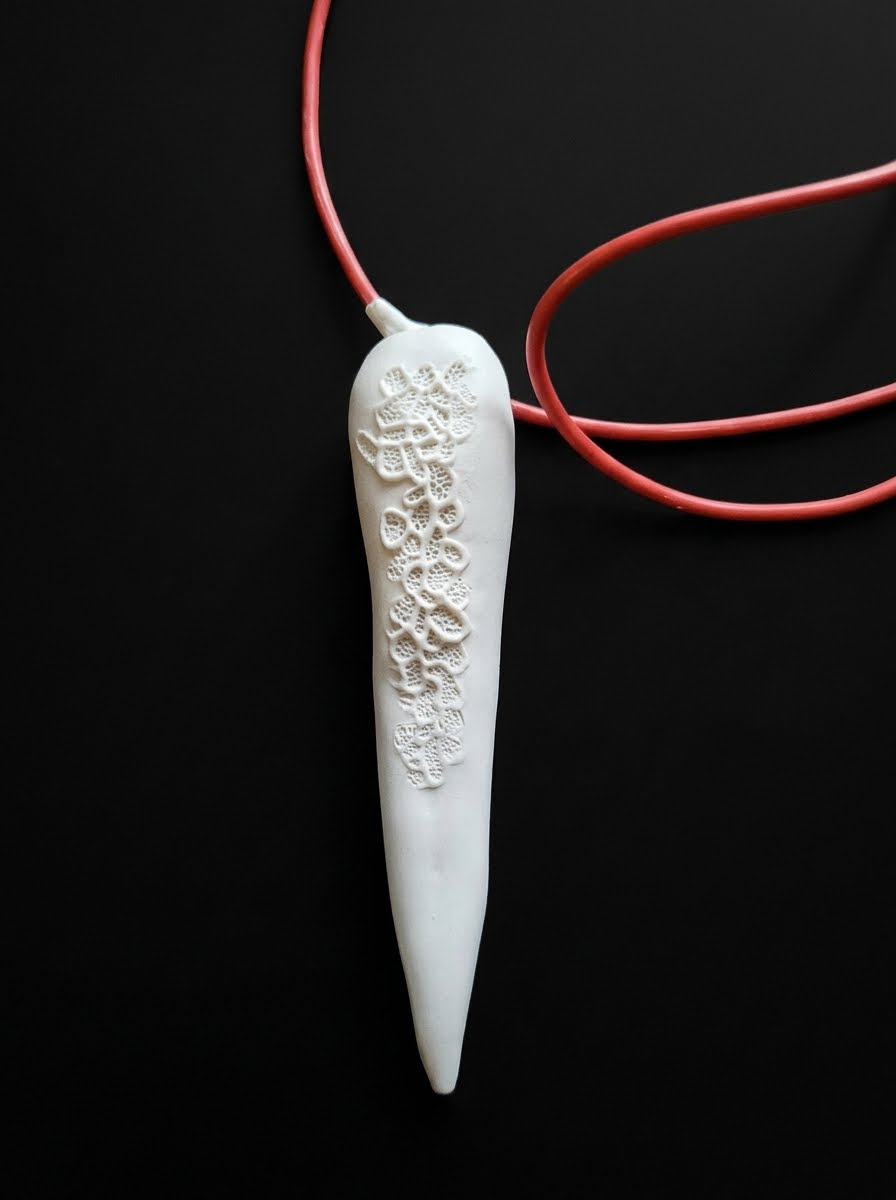
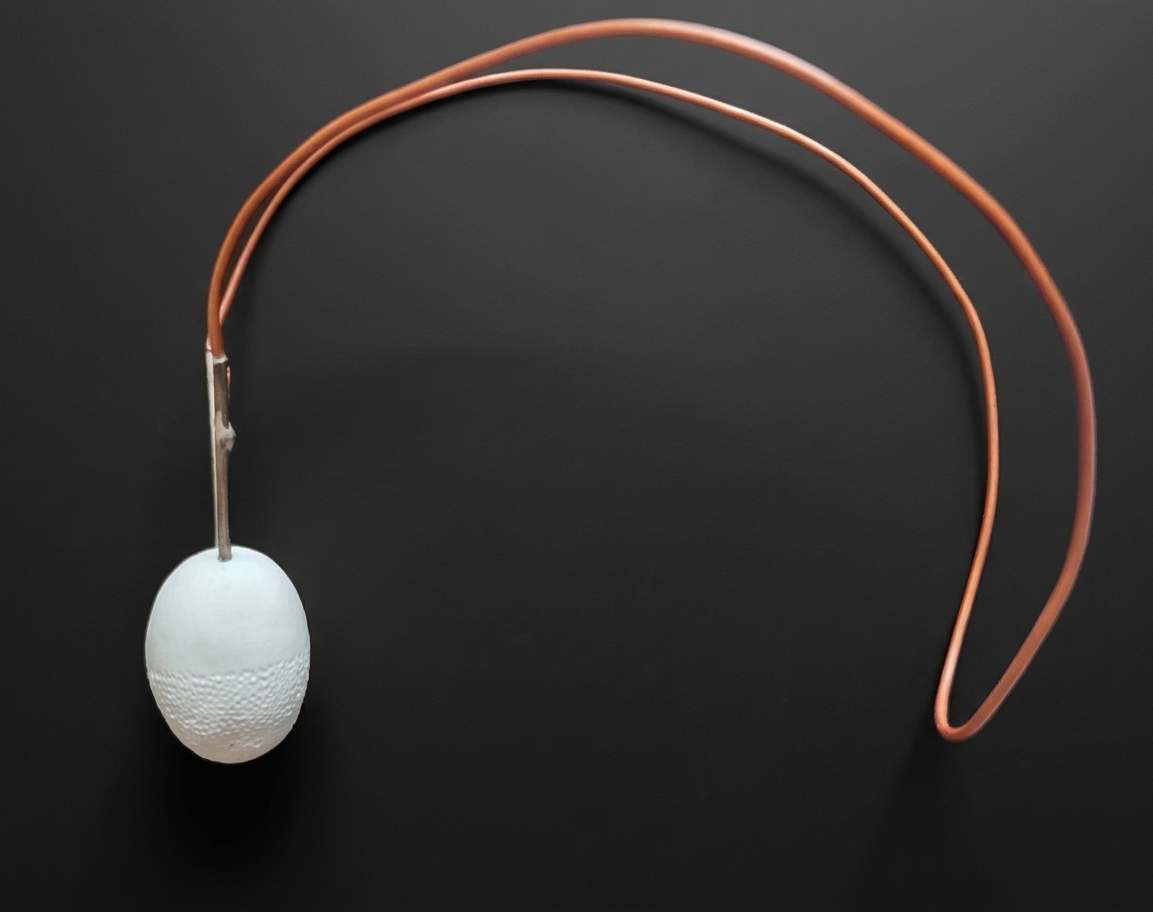
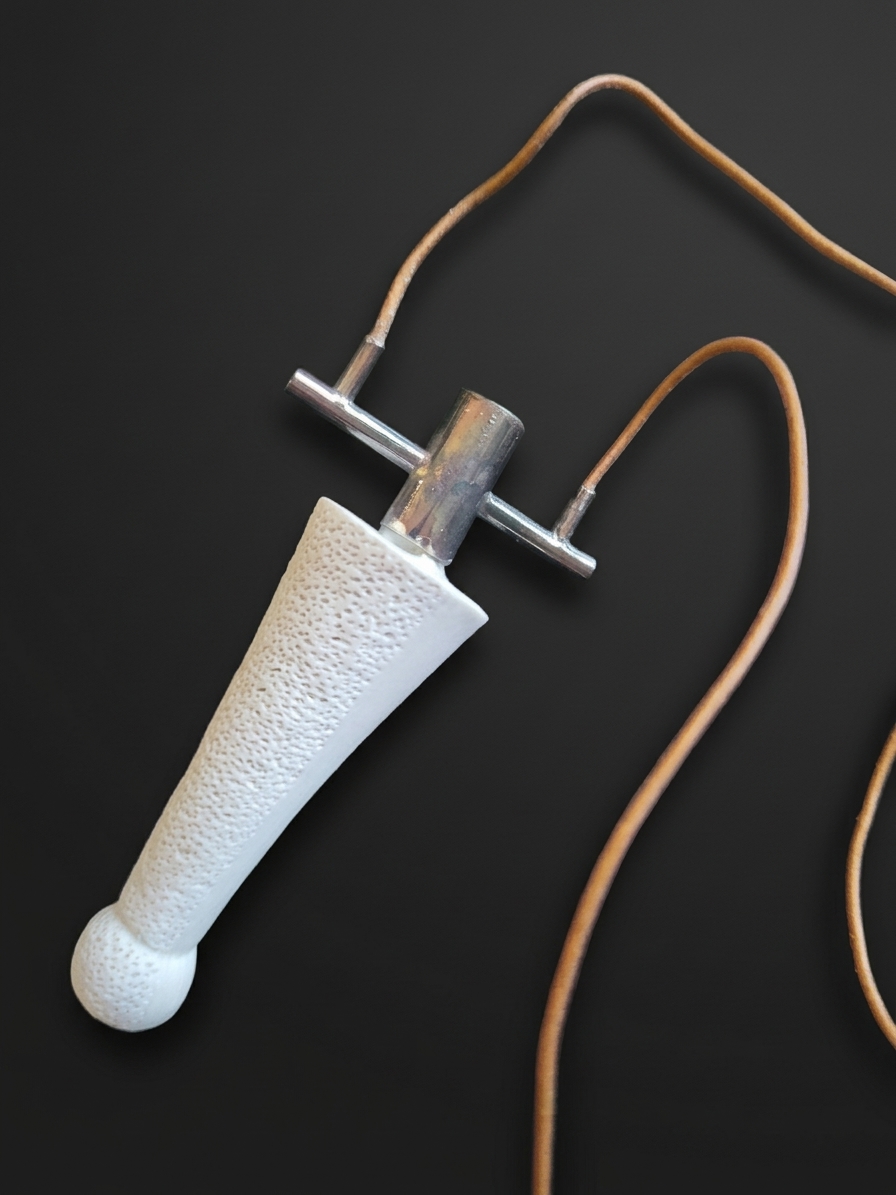
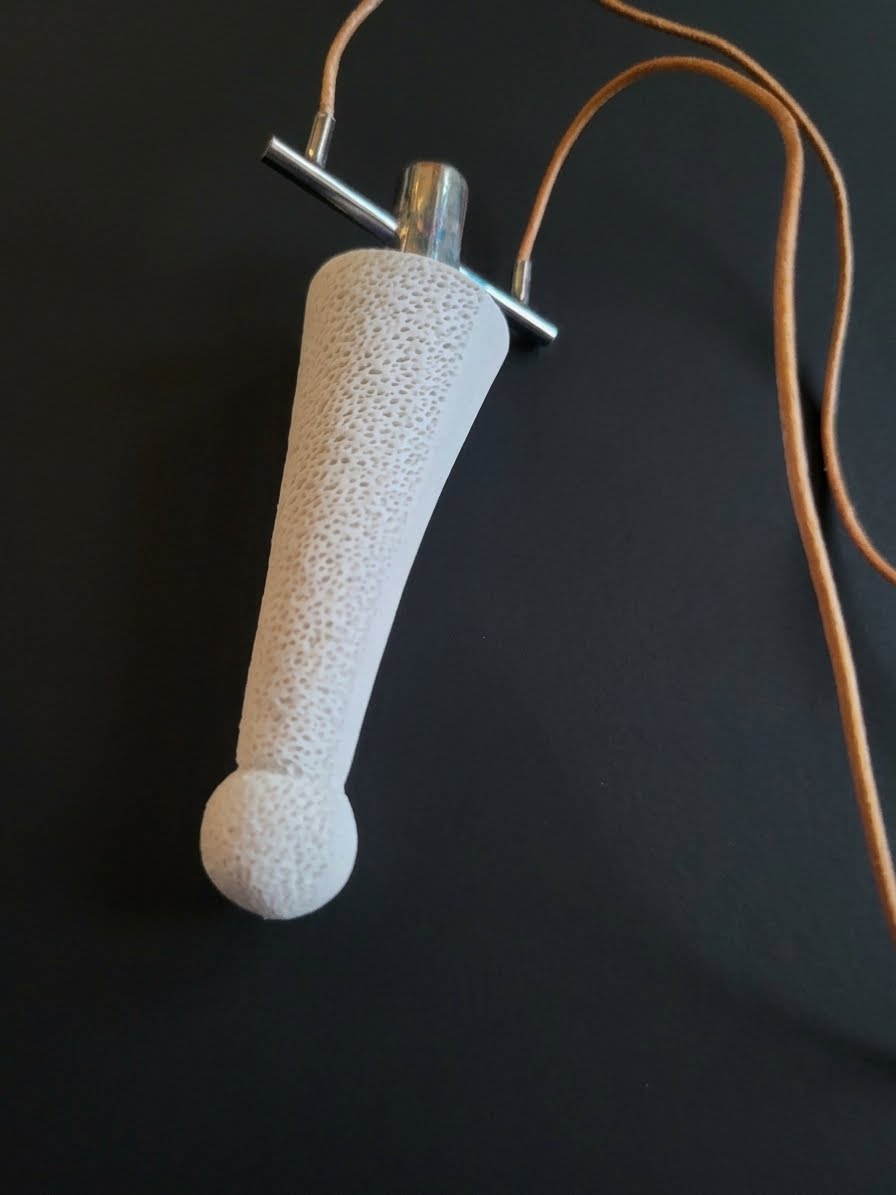
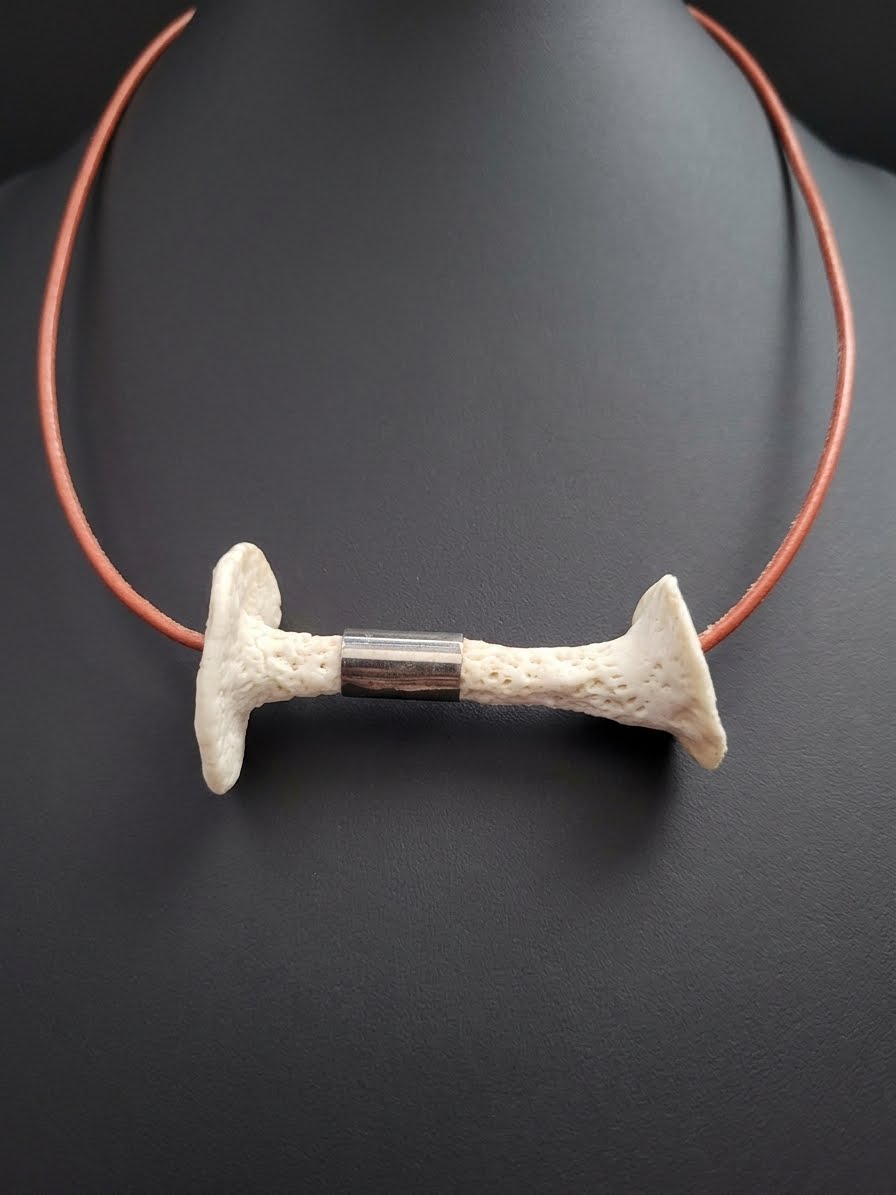
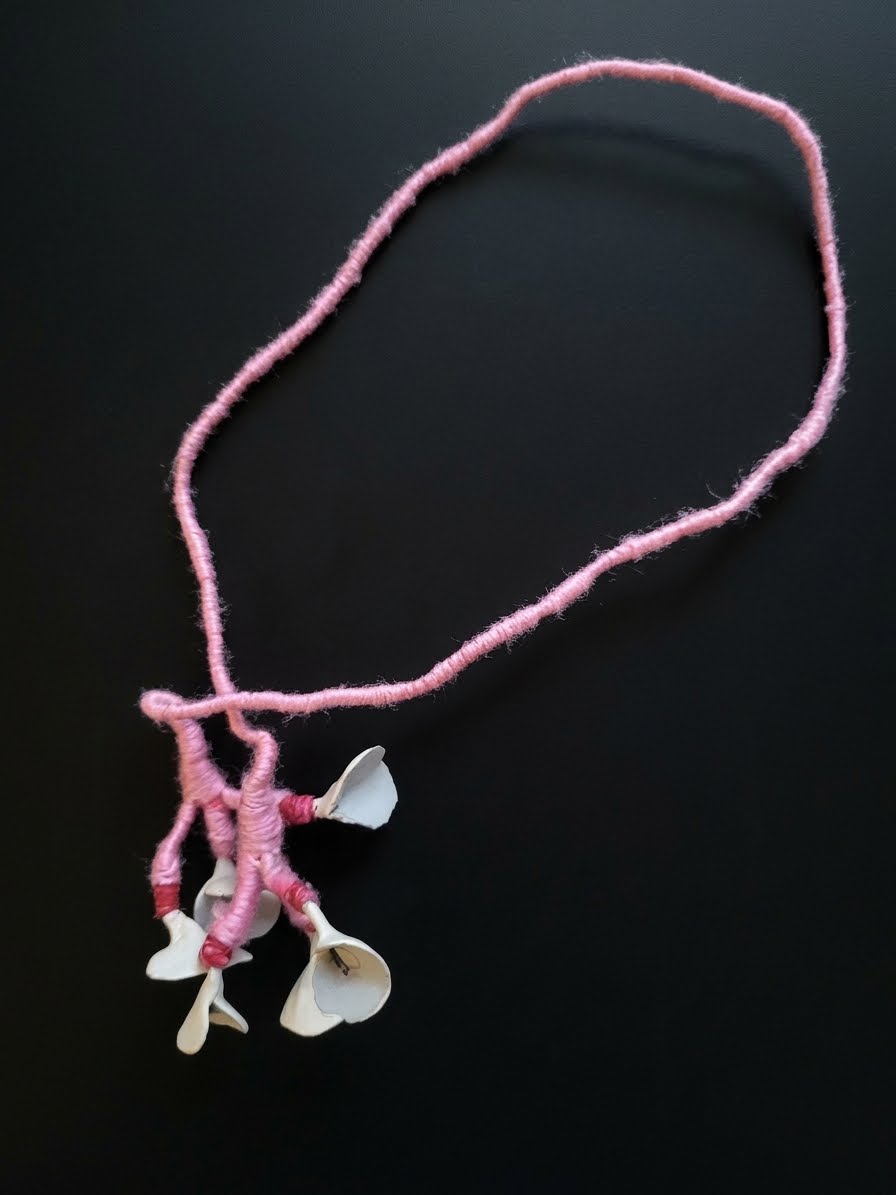
Created during different periods, Irina Gabiani’s wearable sculptures explore the relationship between organic forms, technology and the human body. The series began in 1996–1997, during the final period of her studies at the Gerrit Rietveld Academie, and developed further in the following years through different materials, techniques and visual approaches.
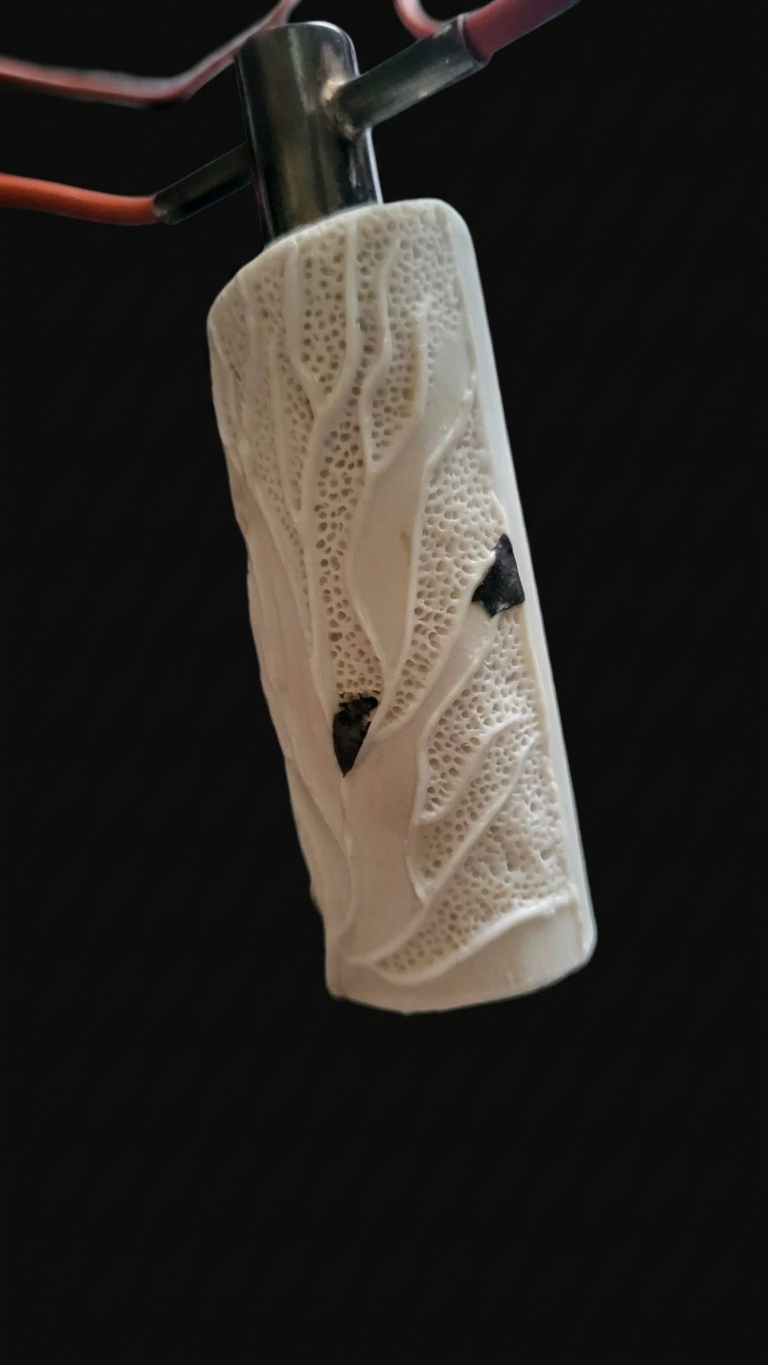
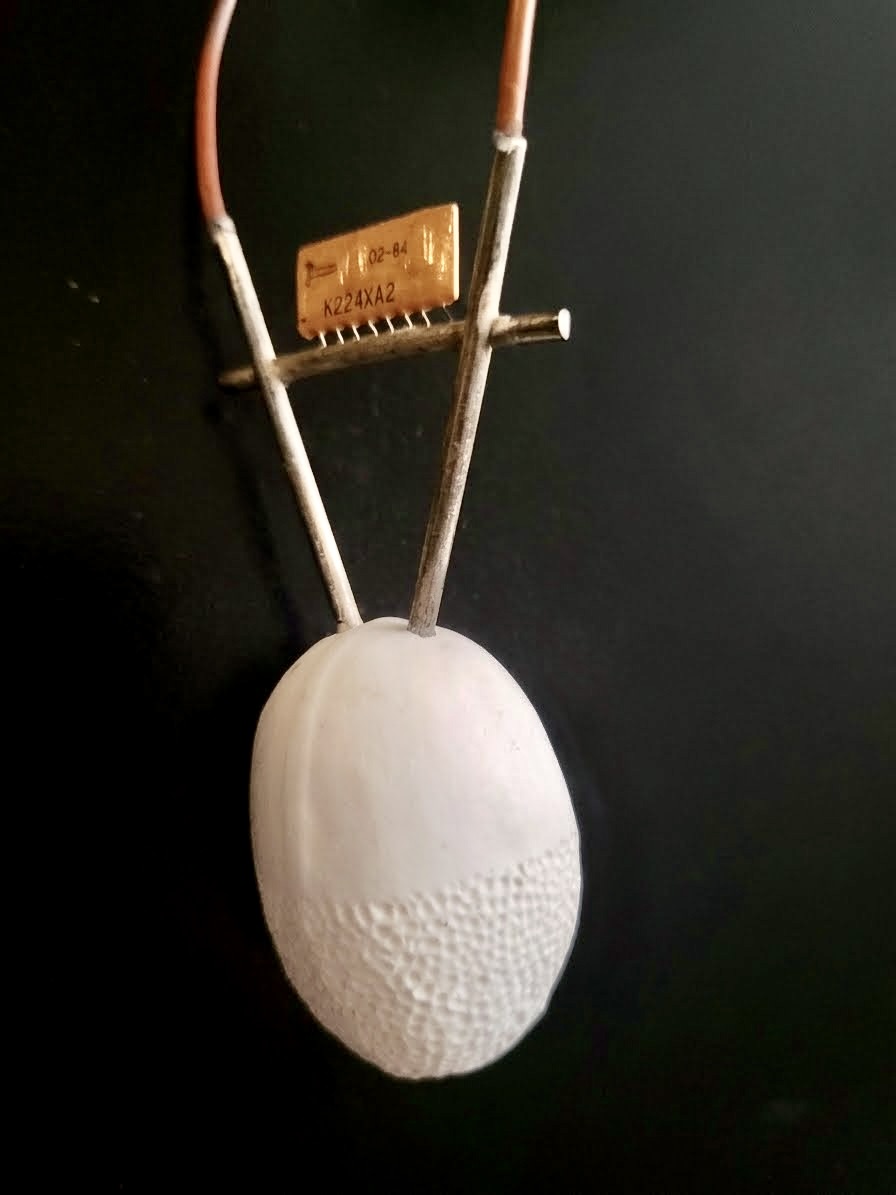
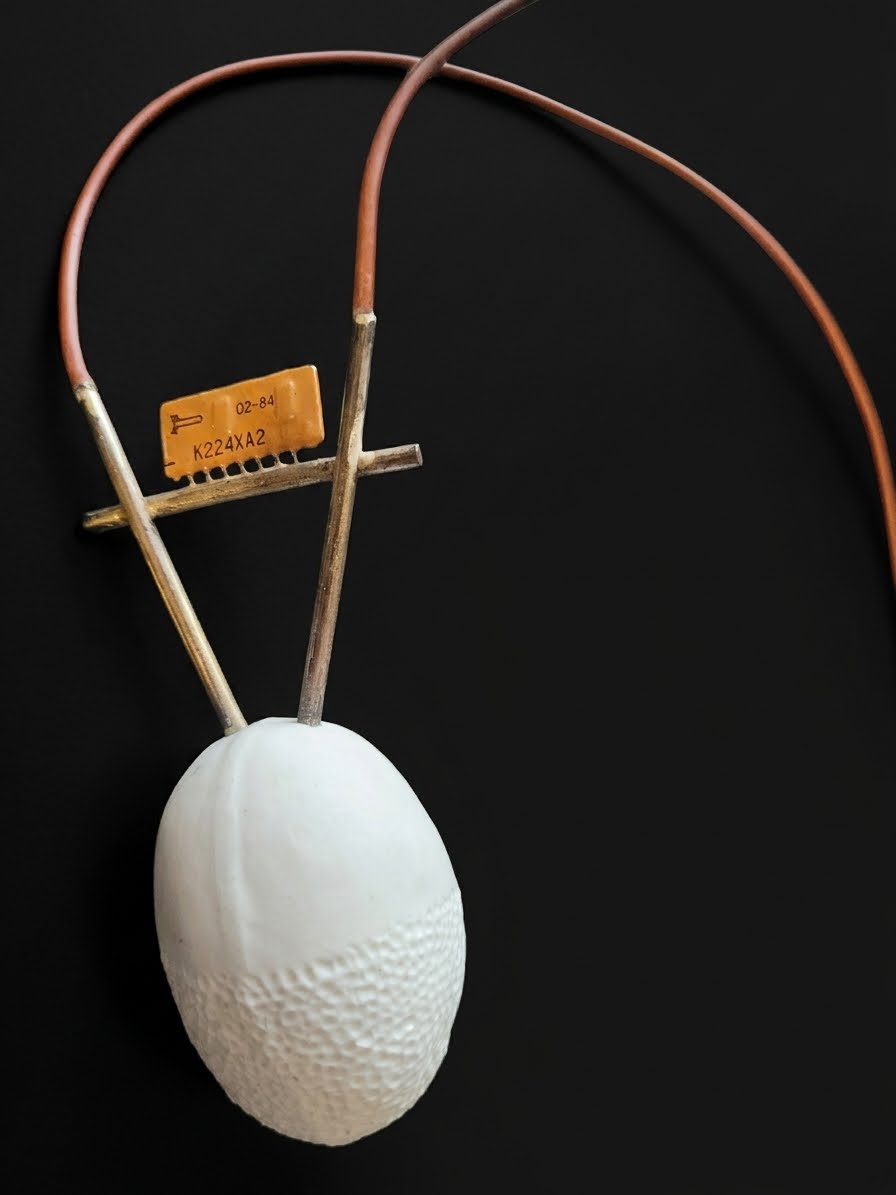
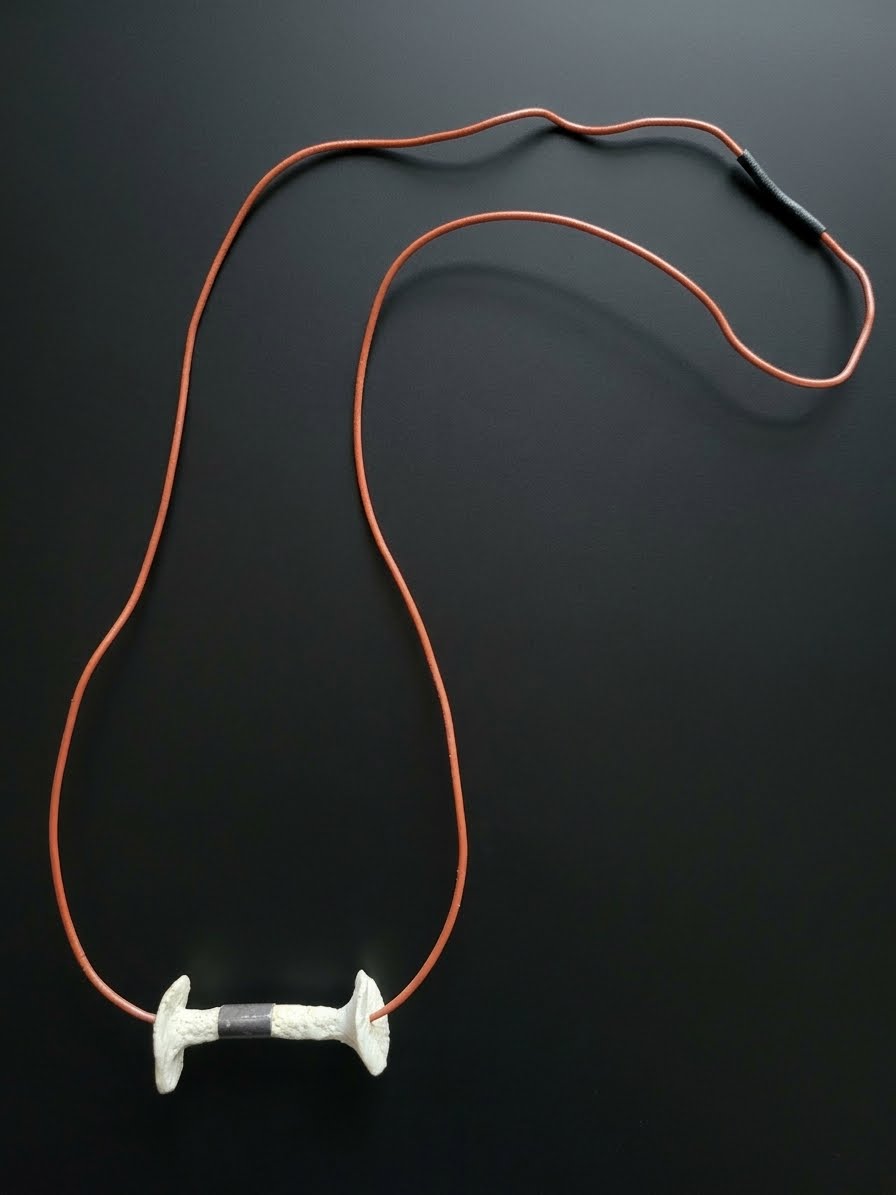
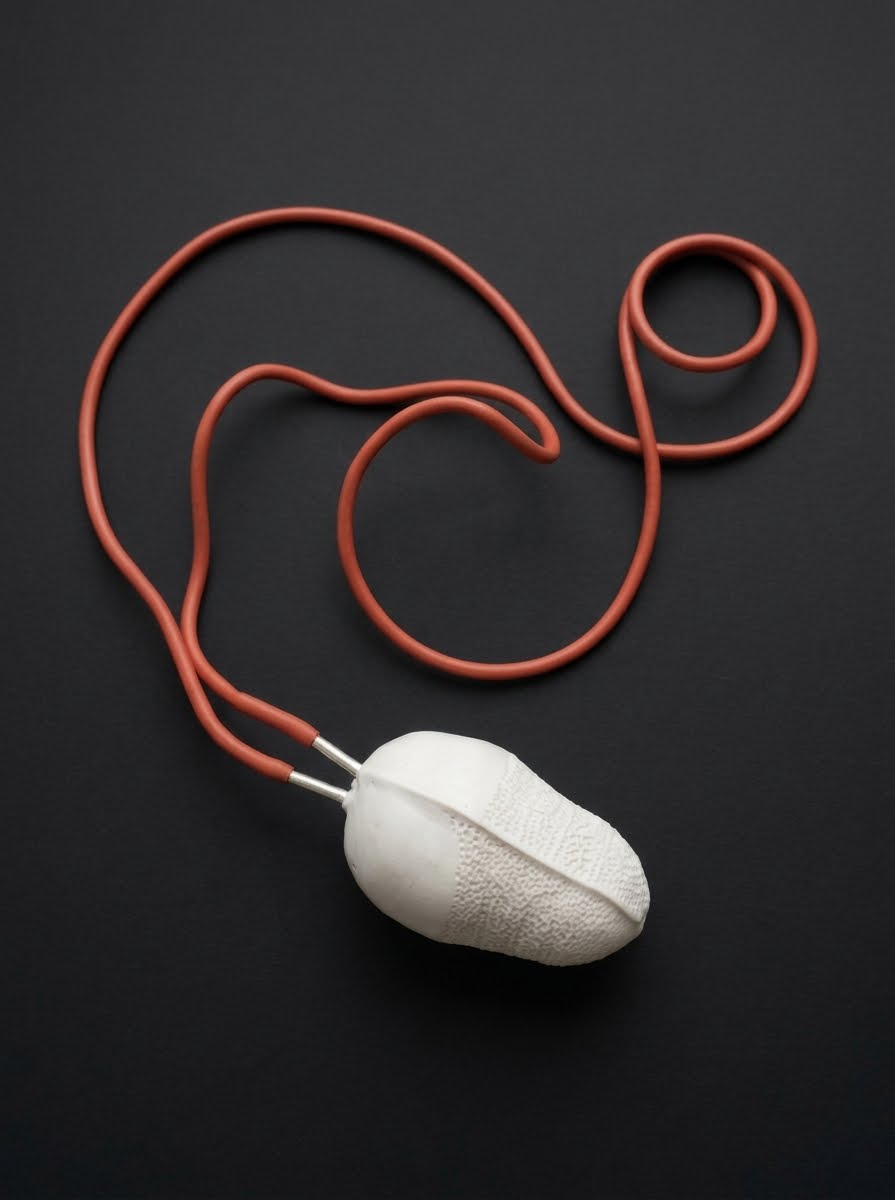
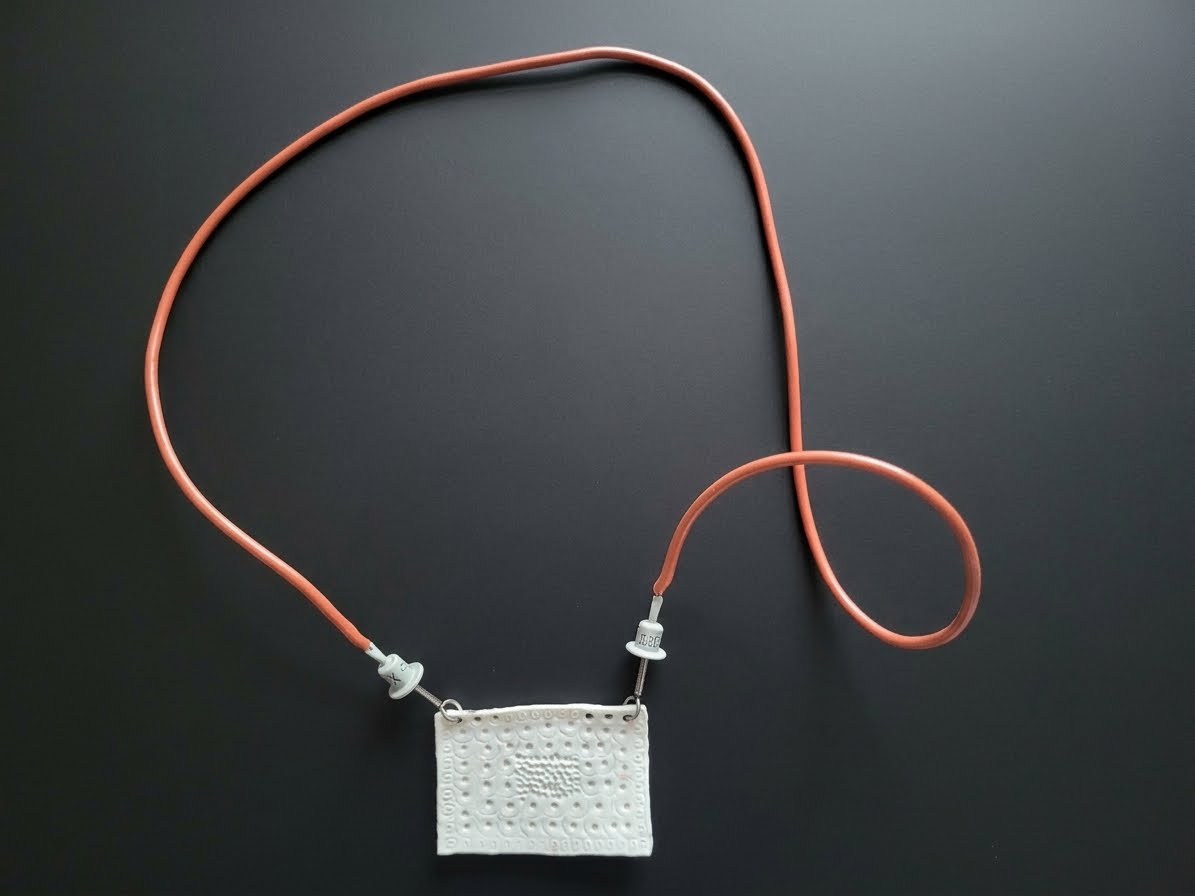
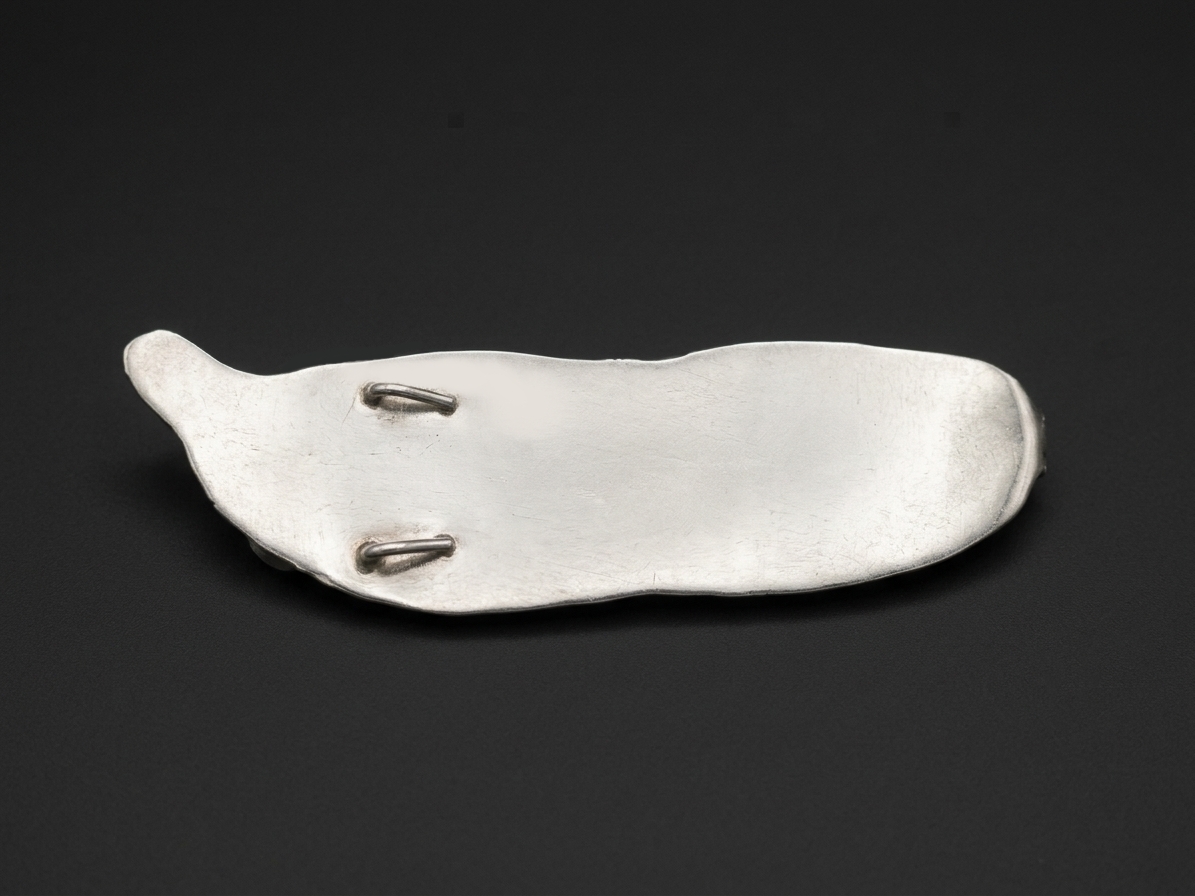
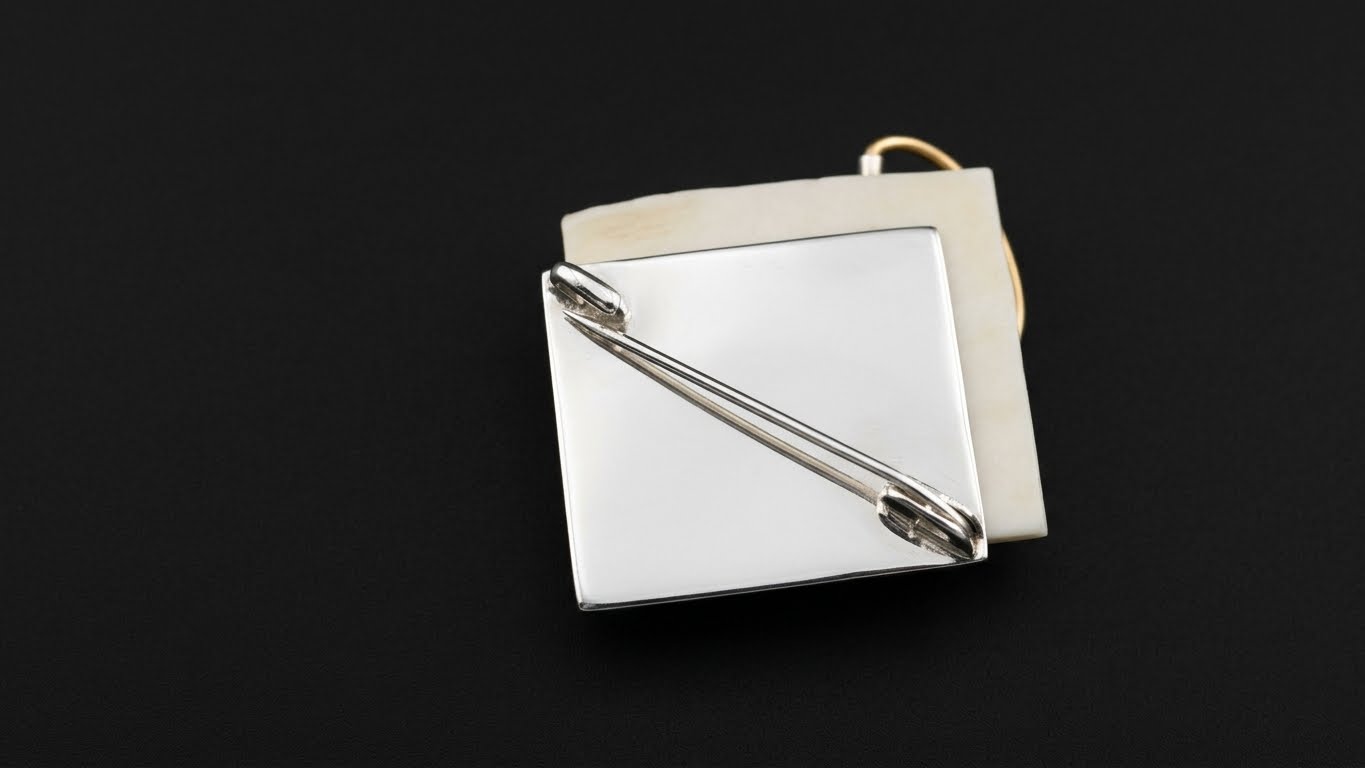
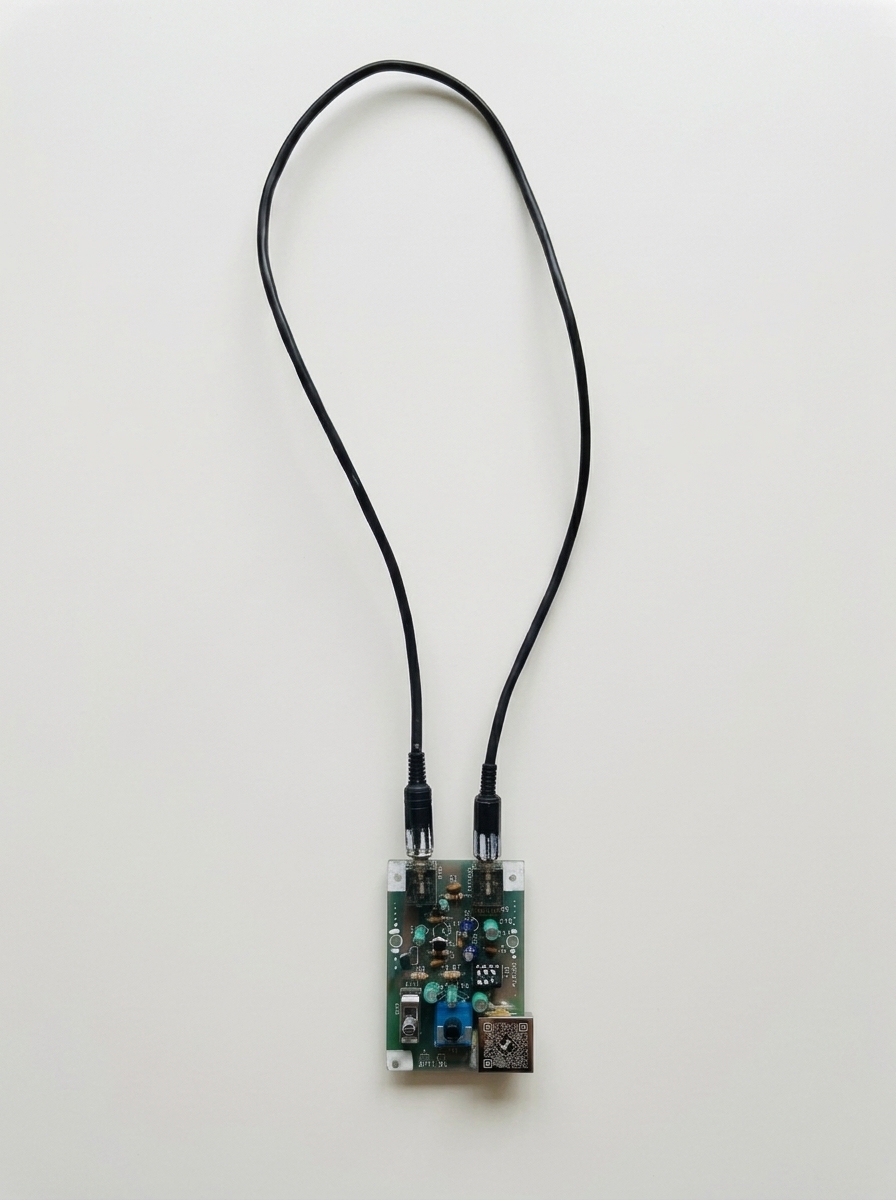
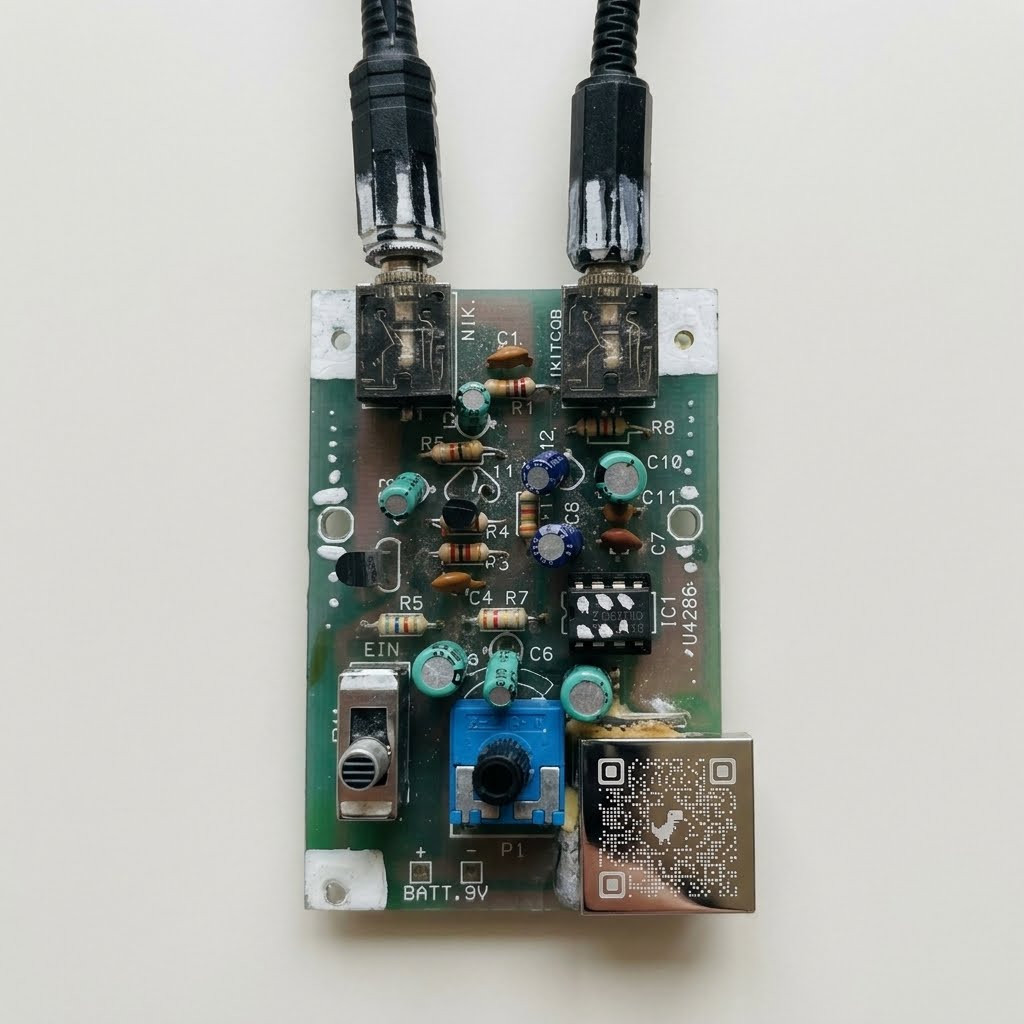
Porcelain, organic textures and electronic components are combined with silver elements, including silver plates and individual silver parts. All the necklaces incorporate silver components, which often serve as connecting elements between the wires. Some later pieces are made entirely of solid gold.
PORCELAIN SCULPTURES, 1996–1997
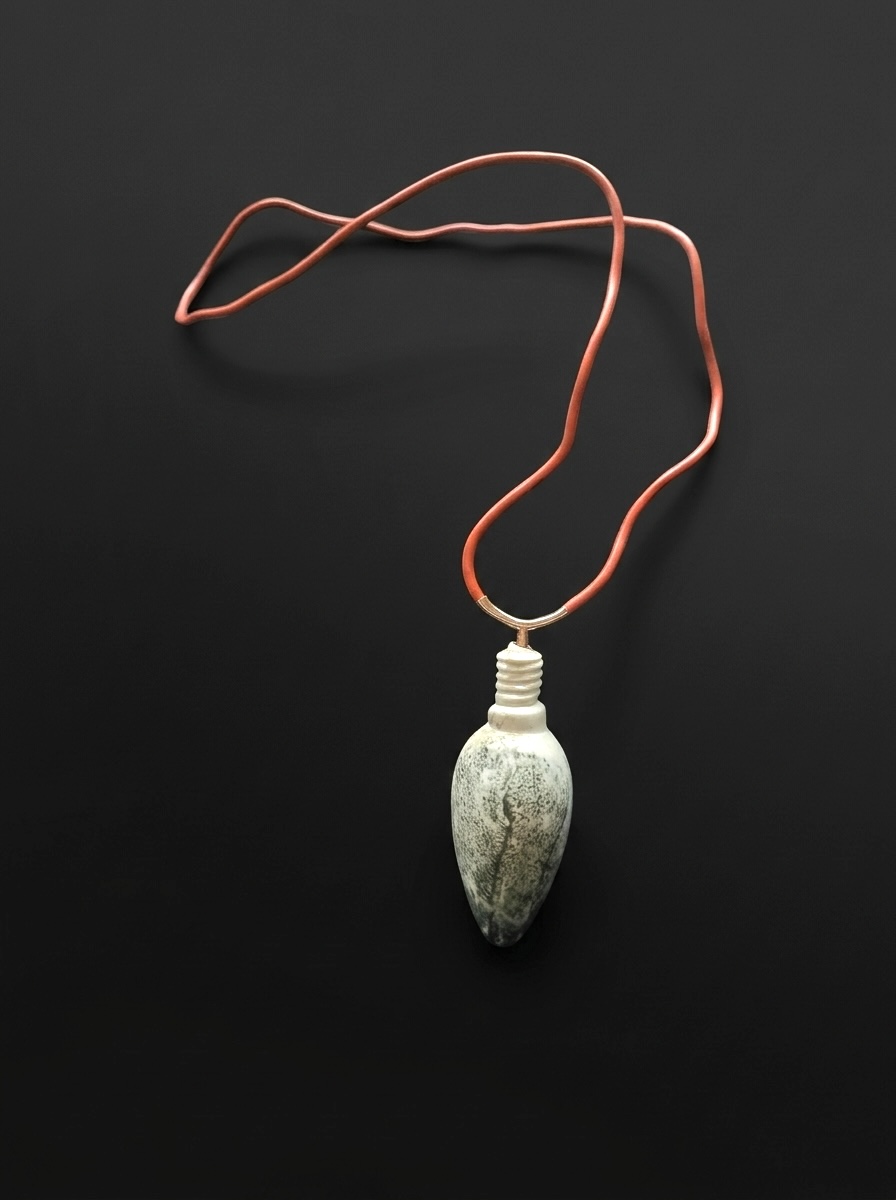
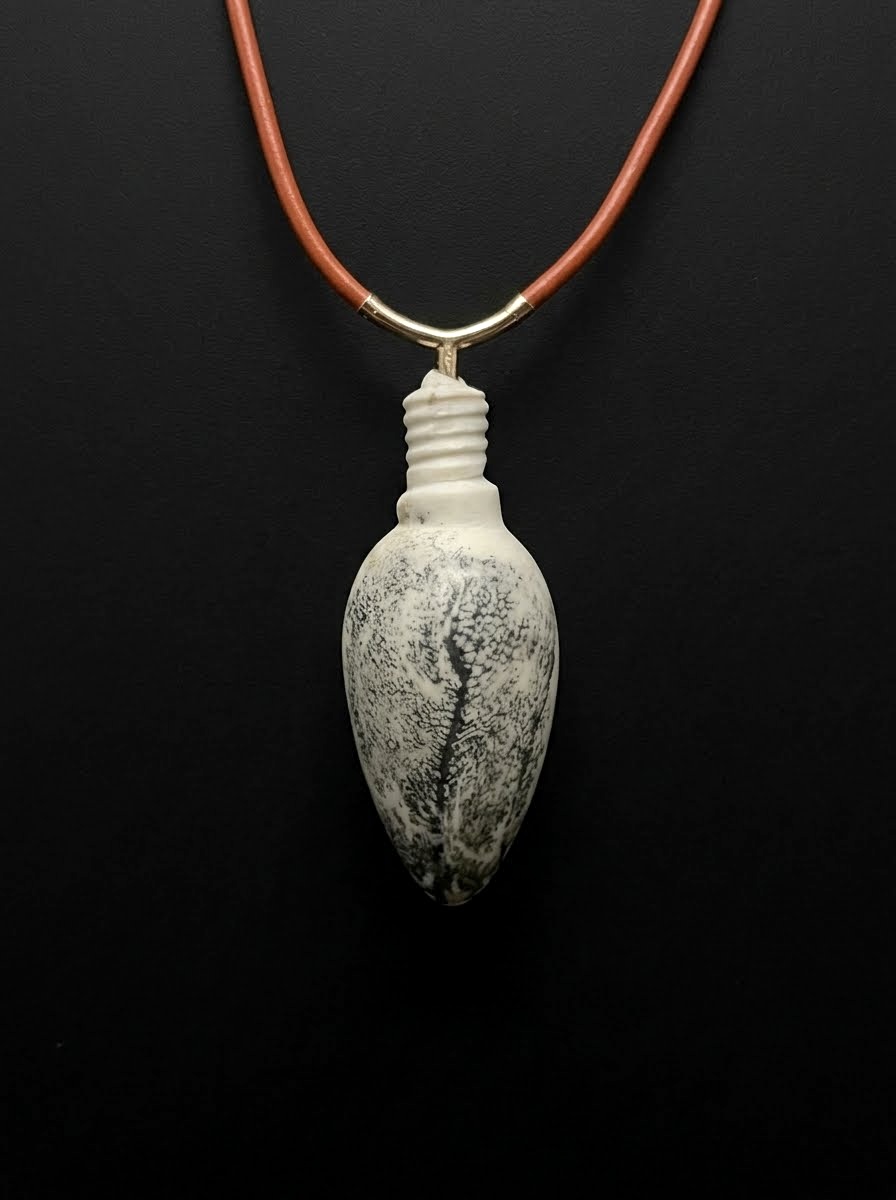
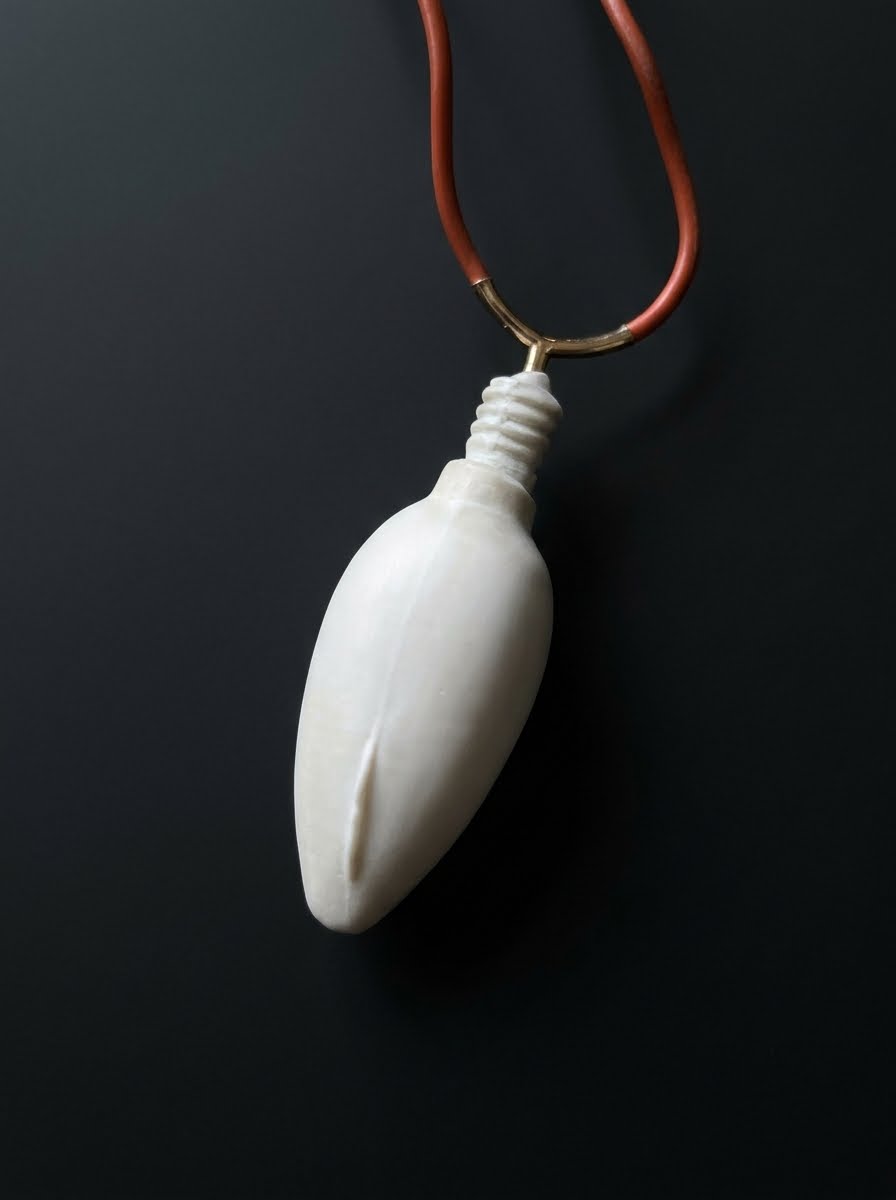
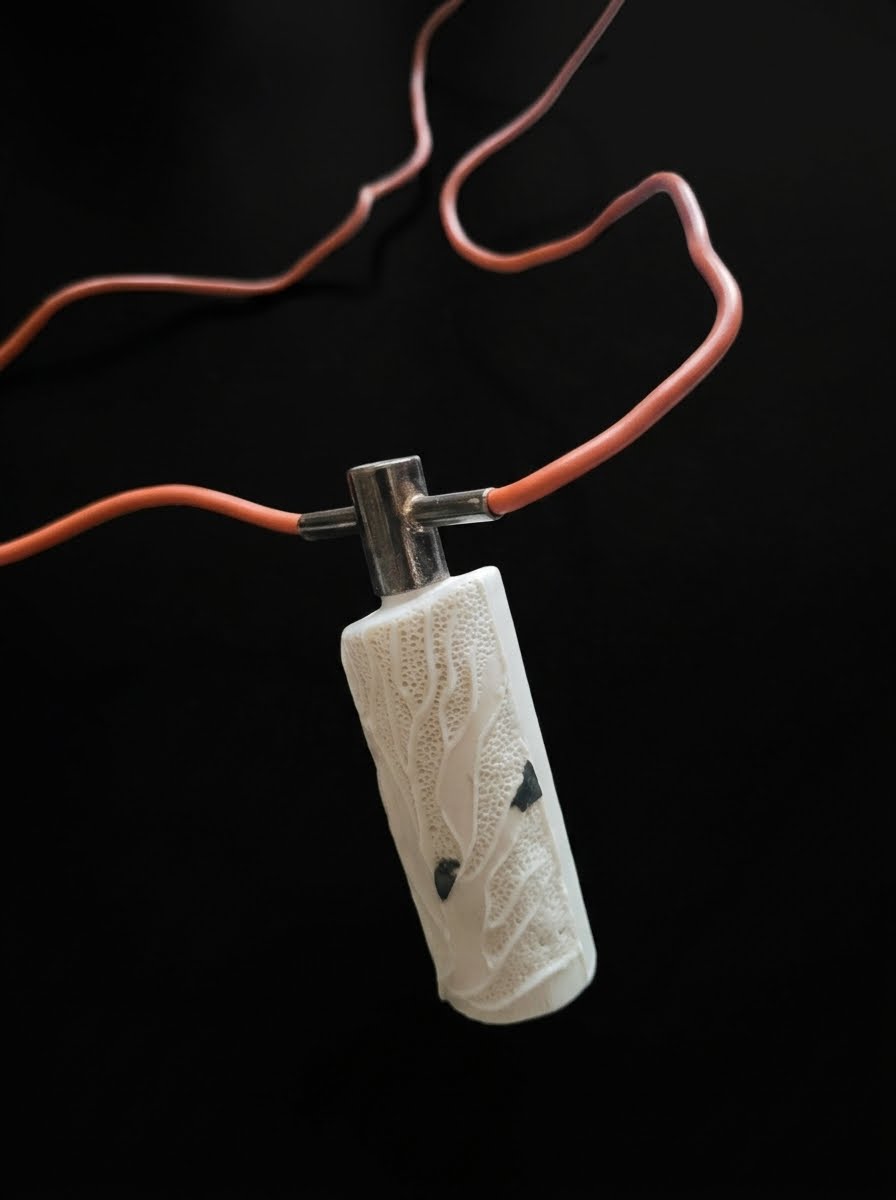
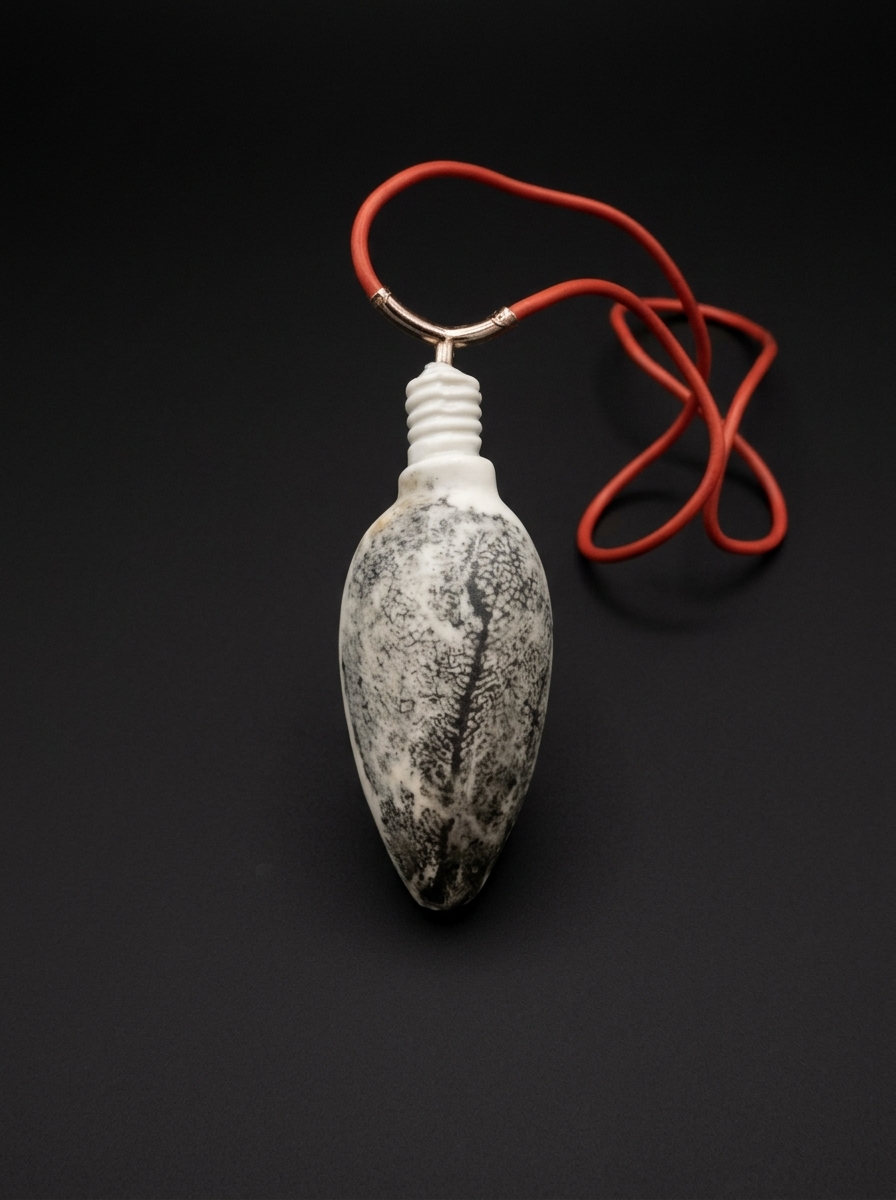
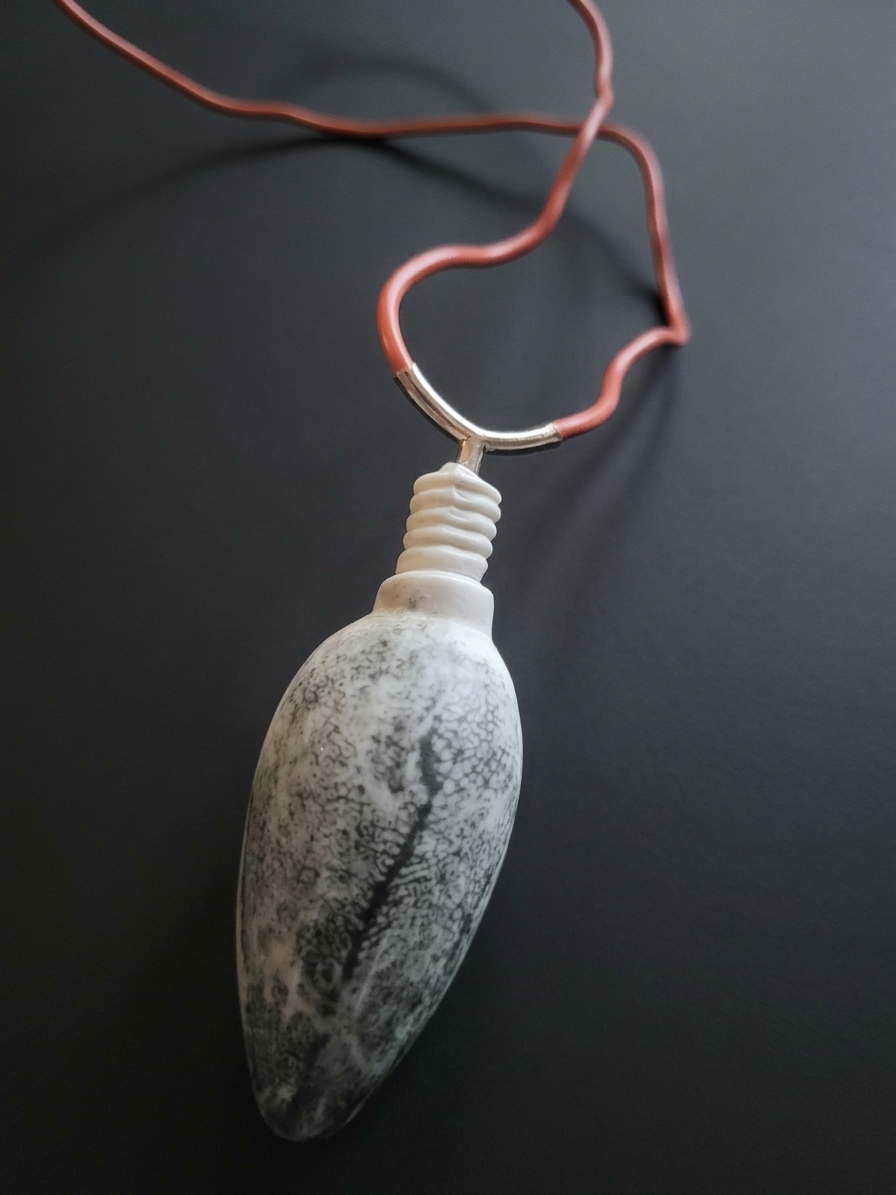
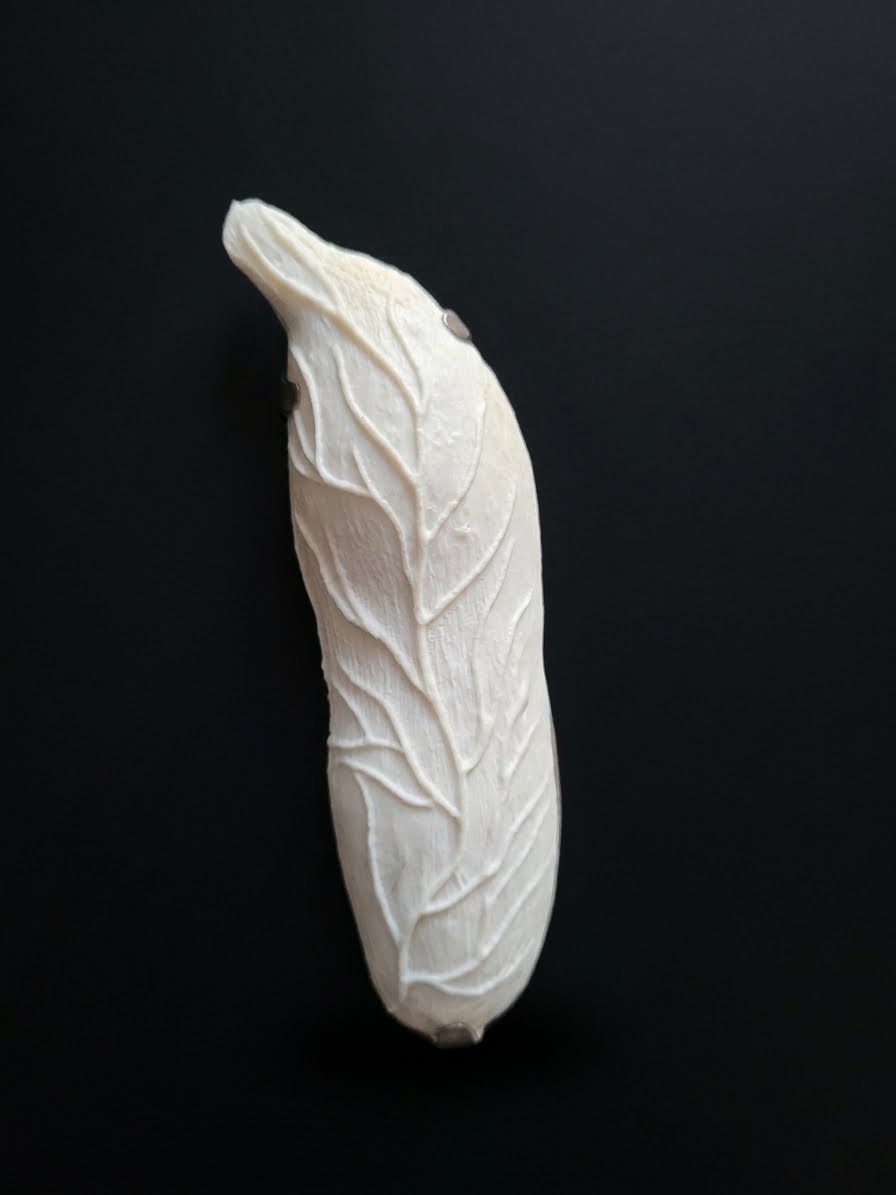
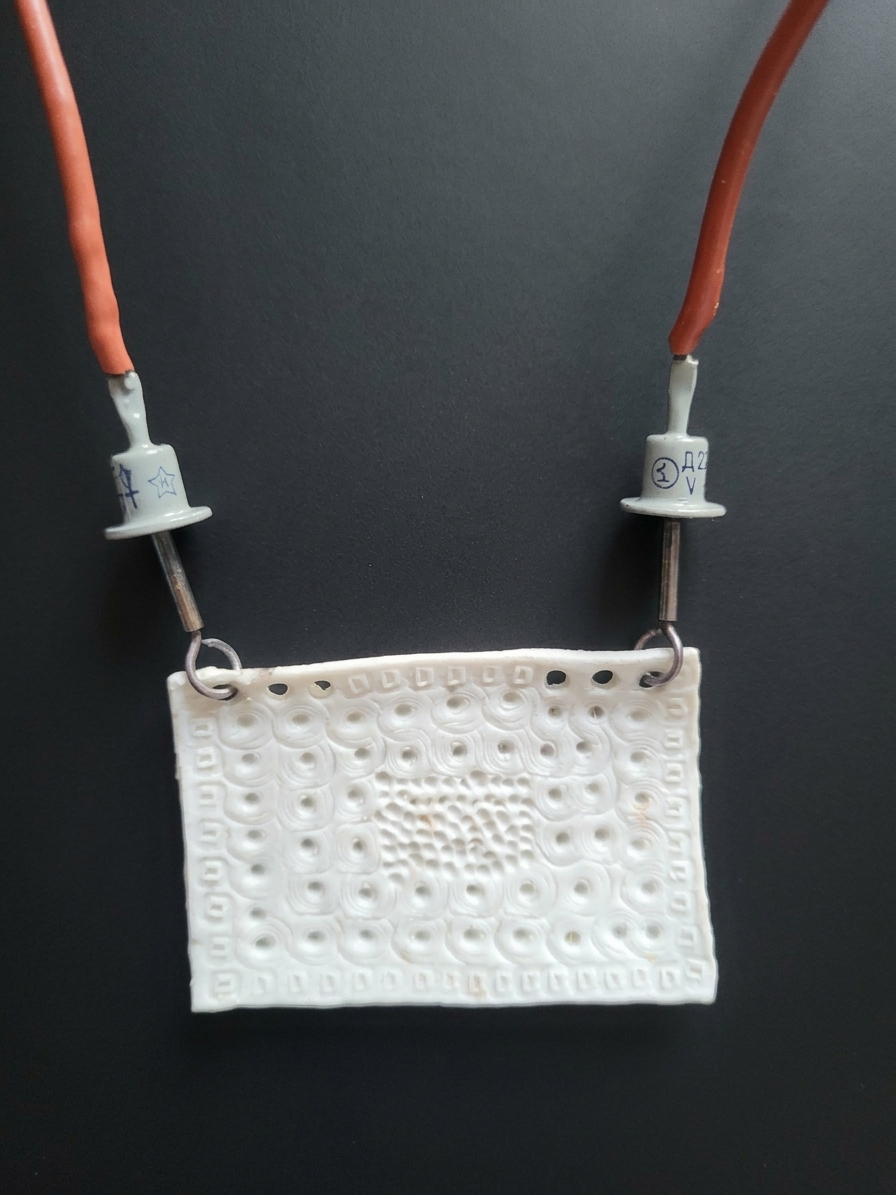
The earliest objects are primarily made of porcelain and combine organic, body-like forms, textured surfaces, wires and electrical components. The wires function as conductors of energy, while television and computer parts introduce actual technological elements. The concept of polarity, already present in Gabiani’s early drawings for Telephone Box, finds new expressions throughout this series. In Androgino, it is symbolically represented through the polarity of feminine and masculine principles. Other objects explore the same idea through different visual forms, including a porcelain light bulb bearing the imprint of a leaf.
The making process was entirely hands-on and time-consuming. Gabiani produced the plaster moulds herself and cast most of the porcelain forms. Surfaces and leaf textures were carefully developed by hand, point by point. Each object required drying and two firings, including a reduction firing. Depending on the work, the process could take two weeks or longer.
FLAT BROOCHES, DEVELOPED IN THE 2000s
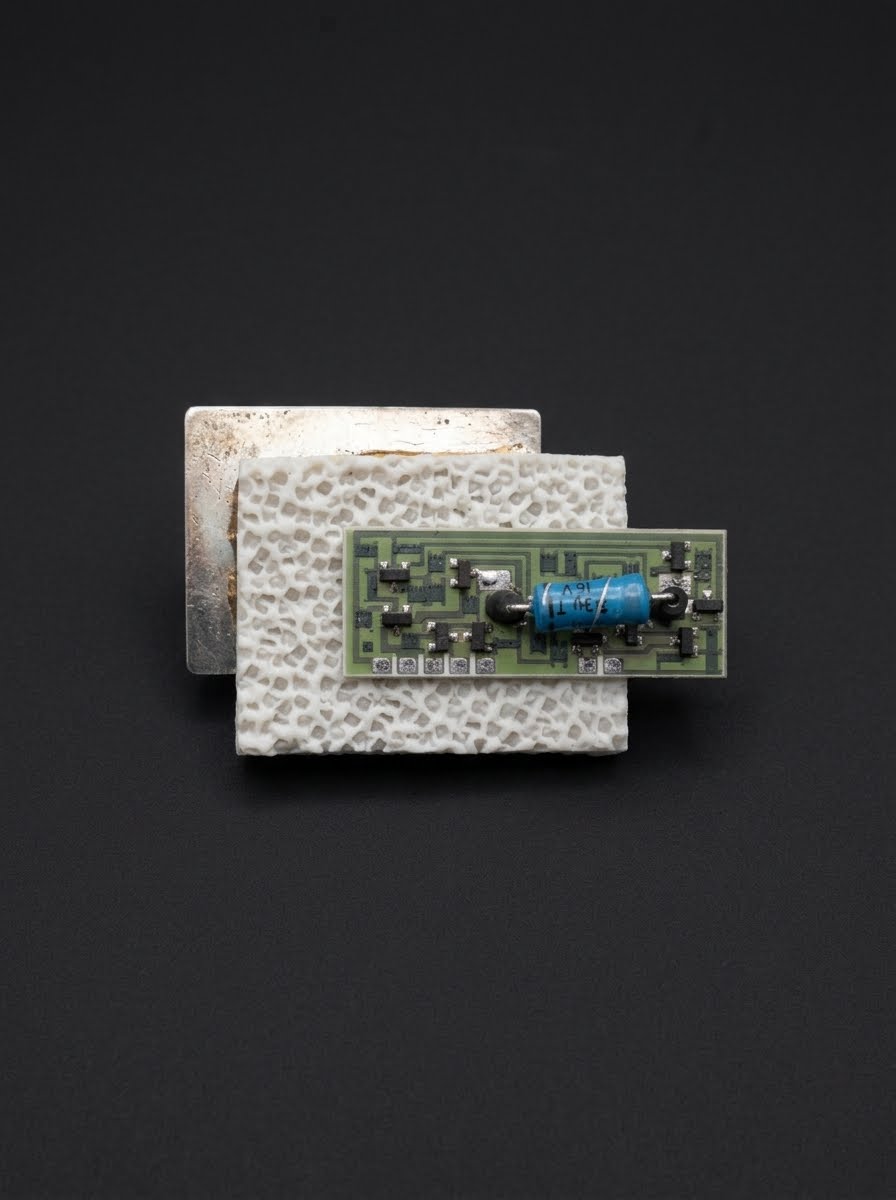
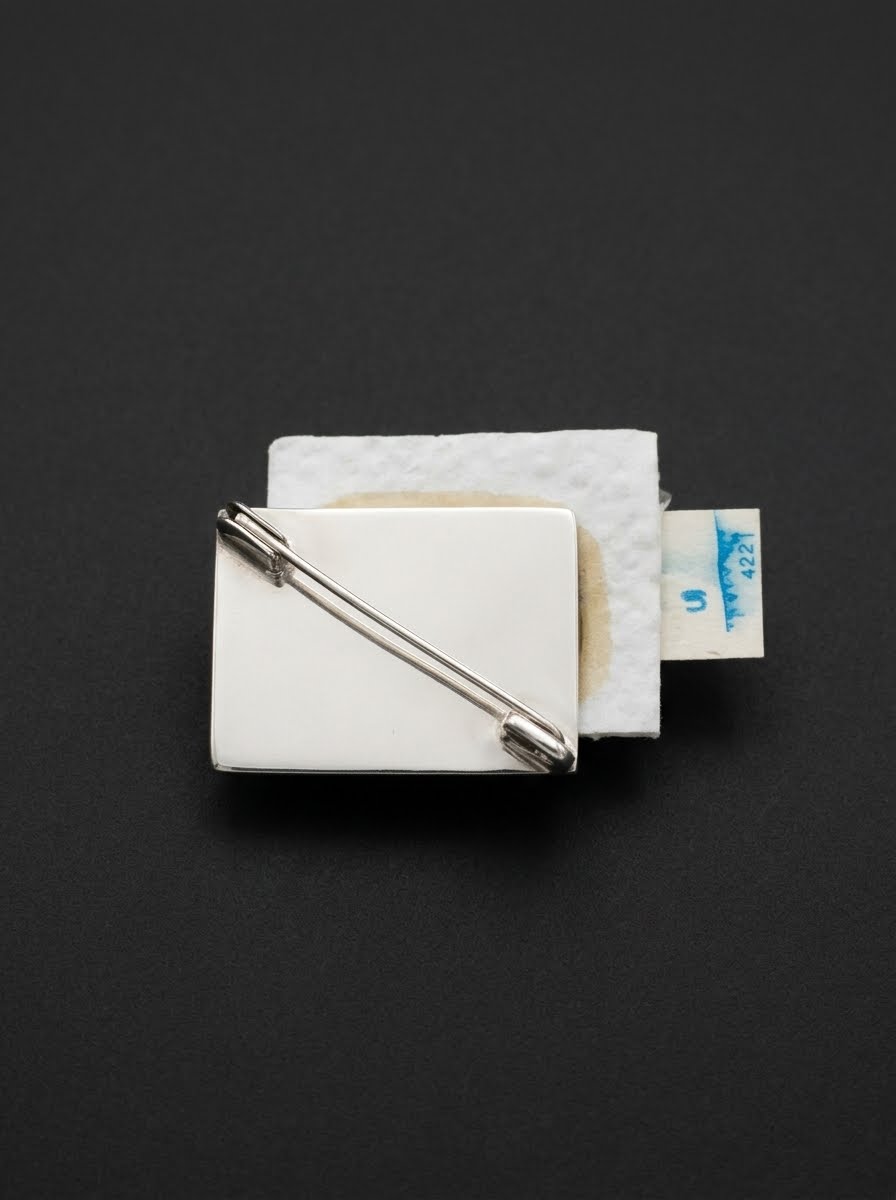
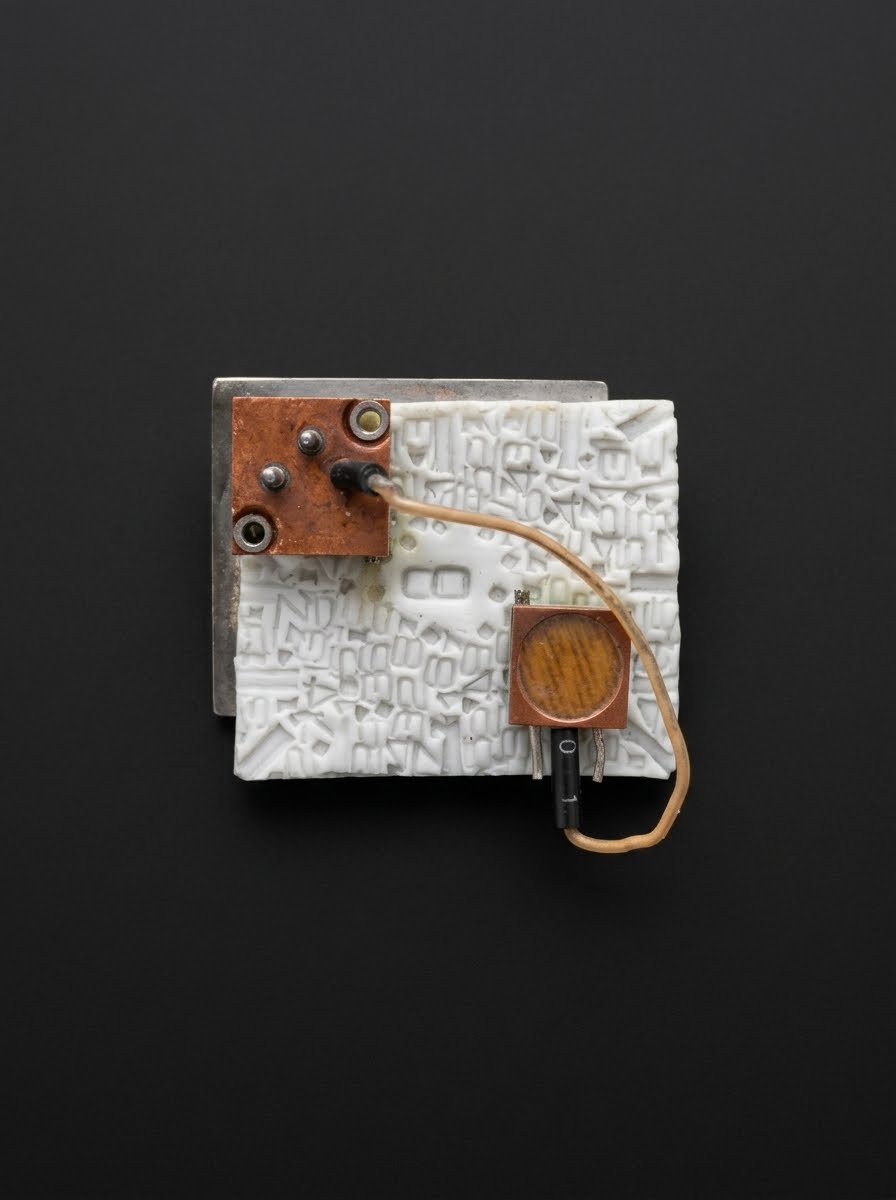
Some of the brooches were initially created and fired during Gabiani’s studies at the Gerrit Rietveld Academie. She returned to them in the 2000s, further developing the designs and giving them their final form.
These flatter compositions combine porcelain elements, shaped with organic and irregular surface textures, with electronic components. The tactile, richly textured porcelain surfaces create a relationship with the technological elements, bringing together organic structures and electronic imagery within a single object.
GOLD BROOCHES
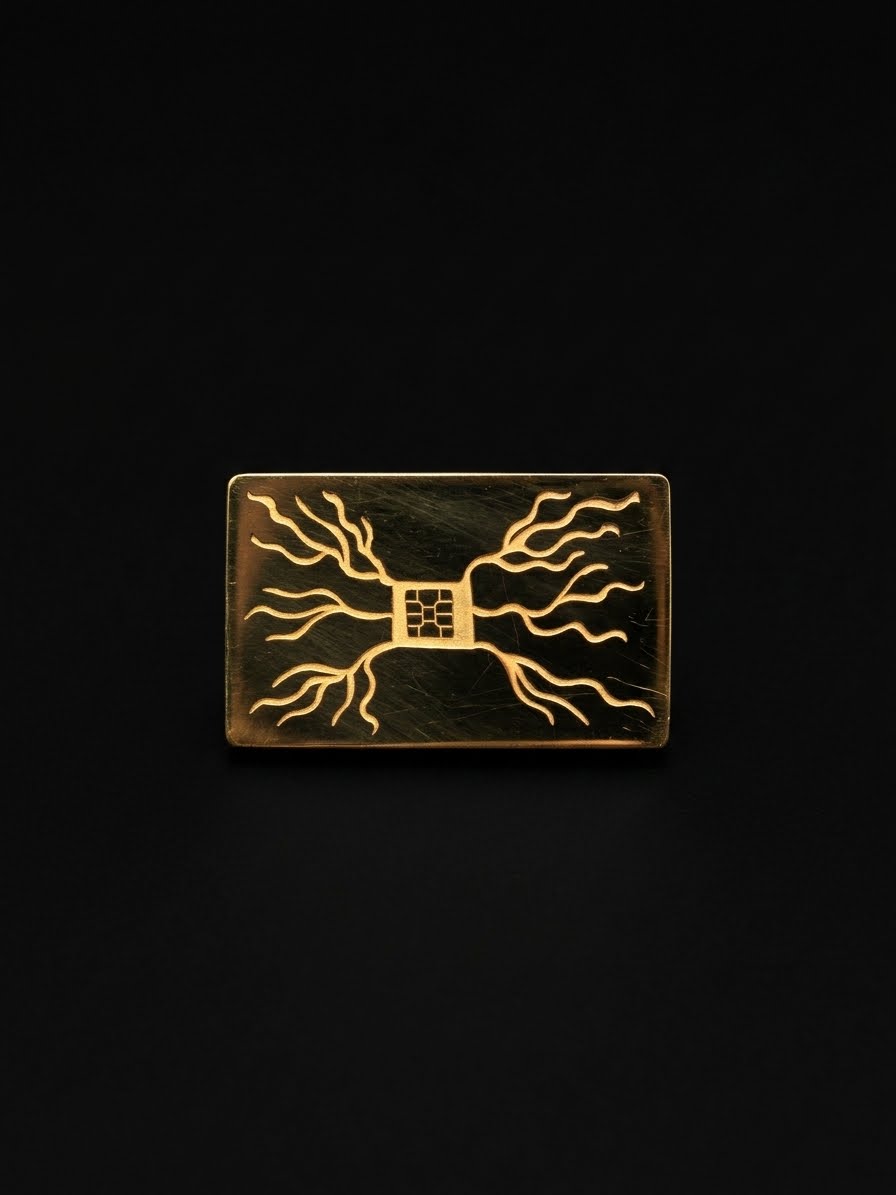
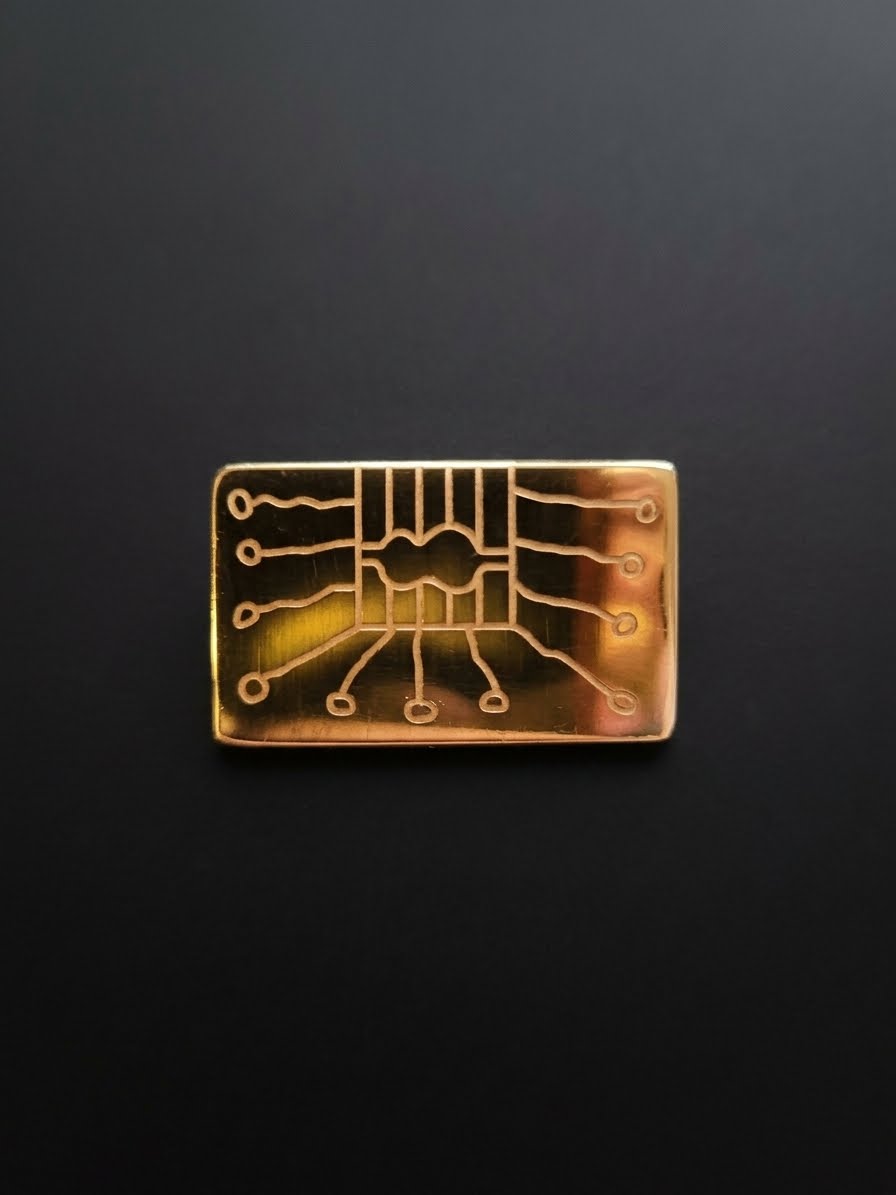
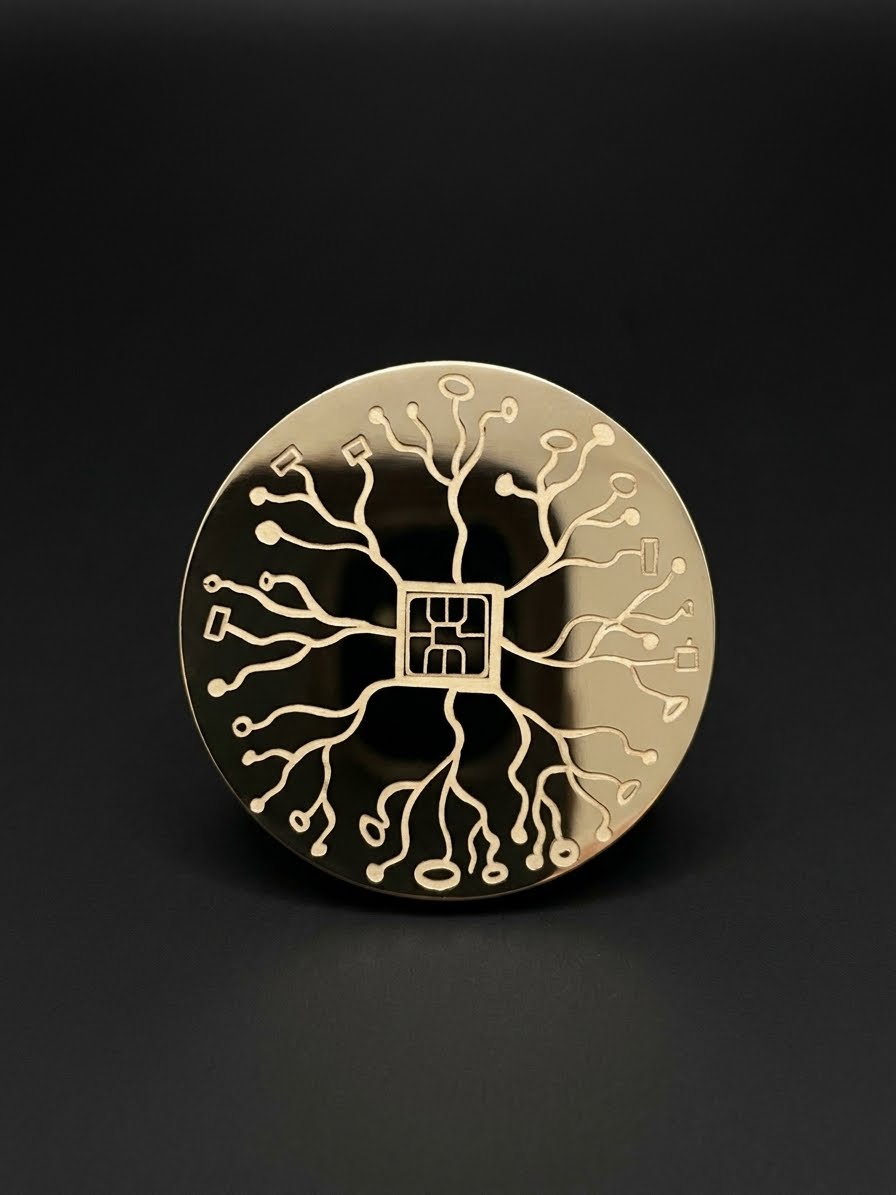
In a later development, Gabiani created a series of solid gold brooches, combining technological components with hand-drawn imagery. Telephone chips are engraved at the centre of each piece, while Gabiani’s drawings are also engraved into the gold surfaces. This approach brings together electronic elements and drawing within a new material and visual language.
These objects, like all of Gabiani’s work, are rooted in one central artistic concept: the dialogue between the two polarities as a source of energy, which takes shape through different forms, materials and scales.